Photo: Rome Wilkerson
Industry Report · 2026 · Houston, TX
2026 Houston Outdoor Living & Eco-Friendly Backyard Transformation Report
Houston is one of the most complex outdoor living environments in the United States. Heat, humidity, heavy rainfall, Beaumont clay soil, and rapid temperature shifts demand engineering-level thinking. This report presents Right Angle's 2026 framework for sustainable, high-performance outdoor living across Houston's premium neighborhoods — from permeable paver systems to Brazilian hardwood decks, native plant palettes, and eco-conscious pool design.
Report At a Glance
From the Principals
"Eco-friendly in Houston means building systems that still look exceptional years later. If your outdoor space is falling apart after five years, there was nothing eco-friendly about it — you just burned through materials faster."
Co-Founder, Right Angle Home & Outdoors
"Performance is elegance. When a backyard functions quietly — drains correctly, stays cool, requires almost no maintenance — that is true luxury. Clients don't always understand that until they've lived with it for a summer."
Co-Founder, Right Angle Home & Outdoors
The Houston Outdoor Living Context, 2026
Houston is not California. It is not the Pacific Northwest. It is not even Dallas. The city's combination of Beaumont Clay soil, Zone 9B heat, 60+ inches of annual rainfall, Formosan subterranean termite pressure, and extreme humidity creates material and engineering requirements that most national outdoor living brands don't design for — and that most Houston homeowners don't fully understand until a project fails.
In 2026, eco-friendly outdoor living in Houston means durability as sustainability. A deck that lasts 40 years is more environmentally responsible than a composite product replaced every 12. A permeable paver system that infiltrates stormwater is more ecologically valuable than a sealed concrete surface with French drains fighting the same water from below. A native plant palette that survives August without irrigation represents a genuine reduction in resource consumption.
Across The Heights (77007, 77008, 77009), River Oaks (77019), West University (77005), Memorial (77024, 77079), Montrose (77006), Bellaire (77401), Garden Oaks (77008, 77018), Spring Branch (77042), and the Galleria corridor (77056, 77027), microclimate differences influence surface temperature, water behavior, and plant performance. What works on a shaded Heights lot doesn't automatically translate to a flat West University backyard.
Omar Afra identifies the single most important project principle: "Water management comes first. Every other decision — hardscape, plants, lighting, features — flows from whether water is being properly handled. If you solve drainage, you've solved 70% of the problems Houston homeowners call us about."
This report presents Right Angle's 2026 framework for eco-conscious outdoor living in Houston: the materials, sequences, neighborhood-specific considerations, and engineering principles that define projects built to last.
2026 Blueprint
- 1Define water strategy
- 2Establish shade architecture
- 3Install primary hardscape
- 4Introduce long-life surface
- 5Layer planting & lighting
- 6Commit to maintenance plan
Omar Afra on Drainage
"Water management comes first. Every other decision flows from whether water is being properly handled. Solve drainage, and you've solved 70% of the problems Houston homeowners call us about."
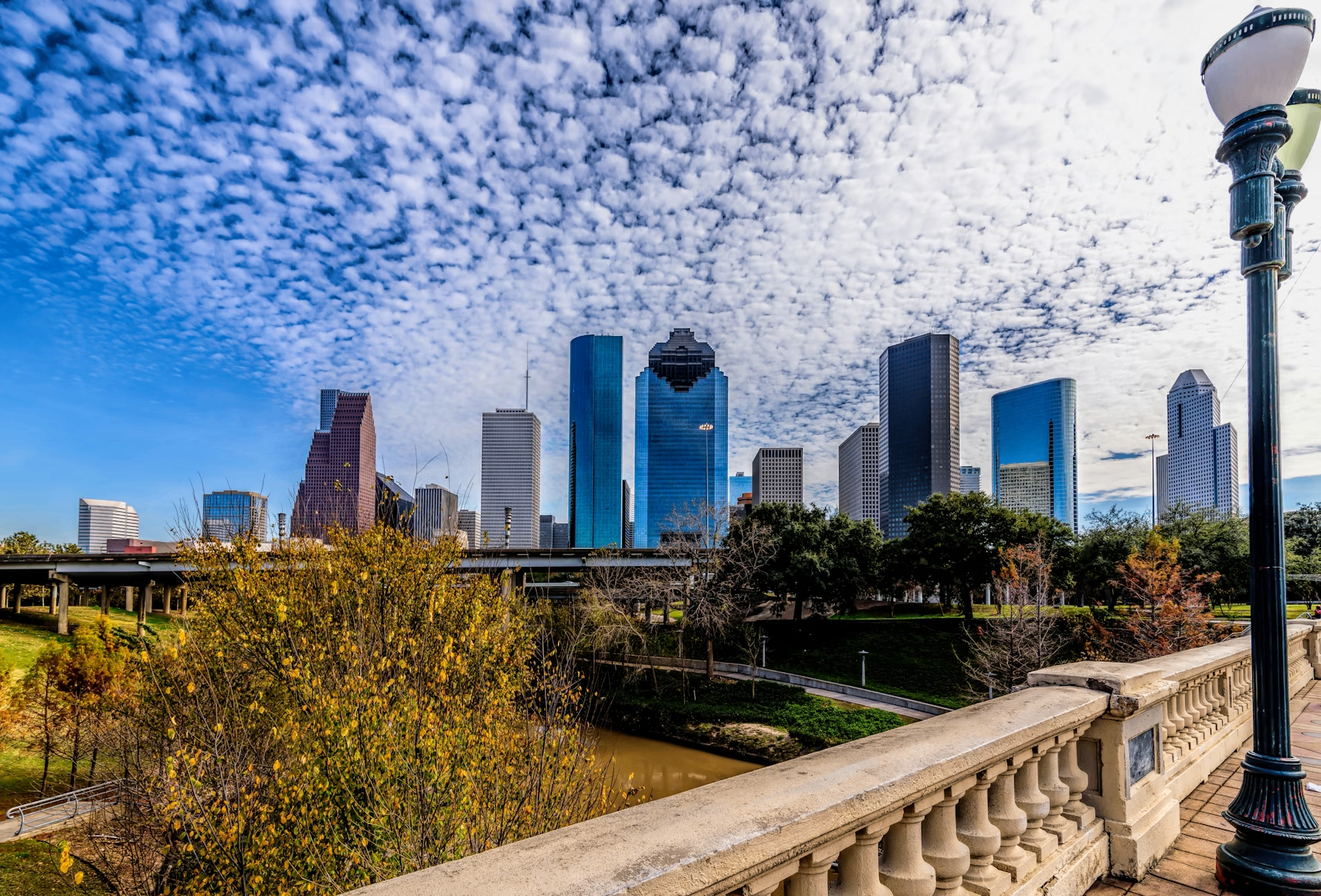
Eco-Friendly Material Systems for Houston Outdoor Living
Each material category below is evaluated for environmental performance, longevity in Houston's Zone 9B climate, and aesthetic integration with premium Houston neighborhoods.
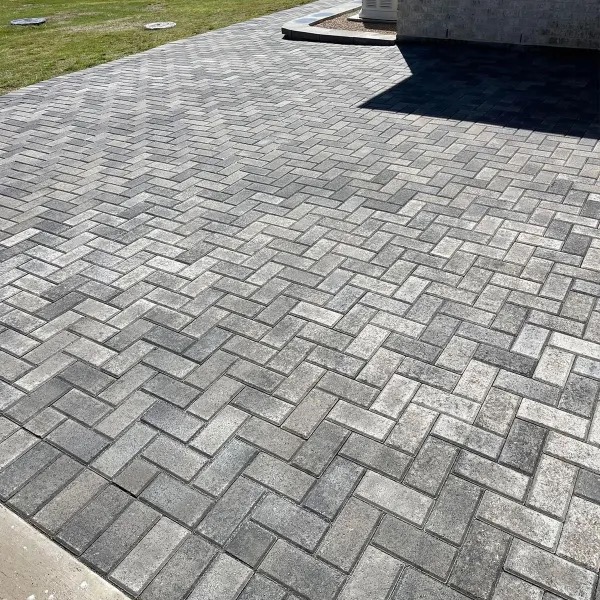
Permeable Pavers
Pavestone · Belgard
- Eco Performance
- Stormwater infiltration, reduced runoff, LEED-compatible
- Best Application
- Patios, driveways, pool decks in flood-prone areas
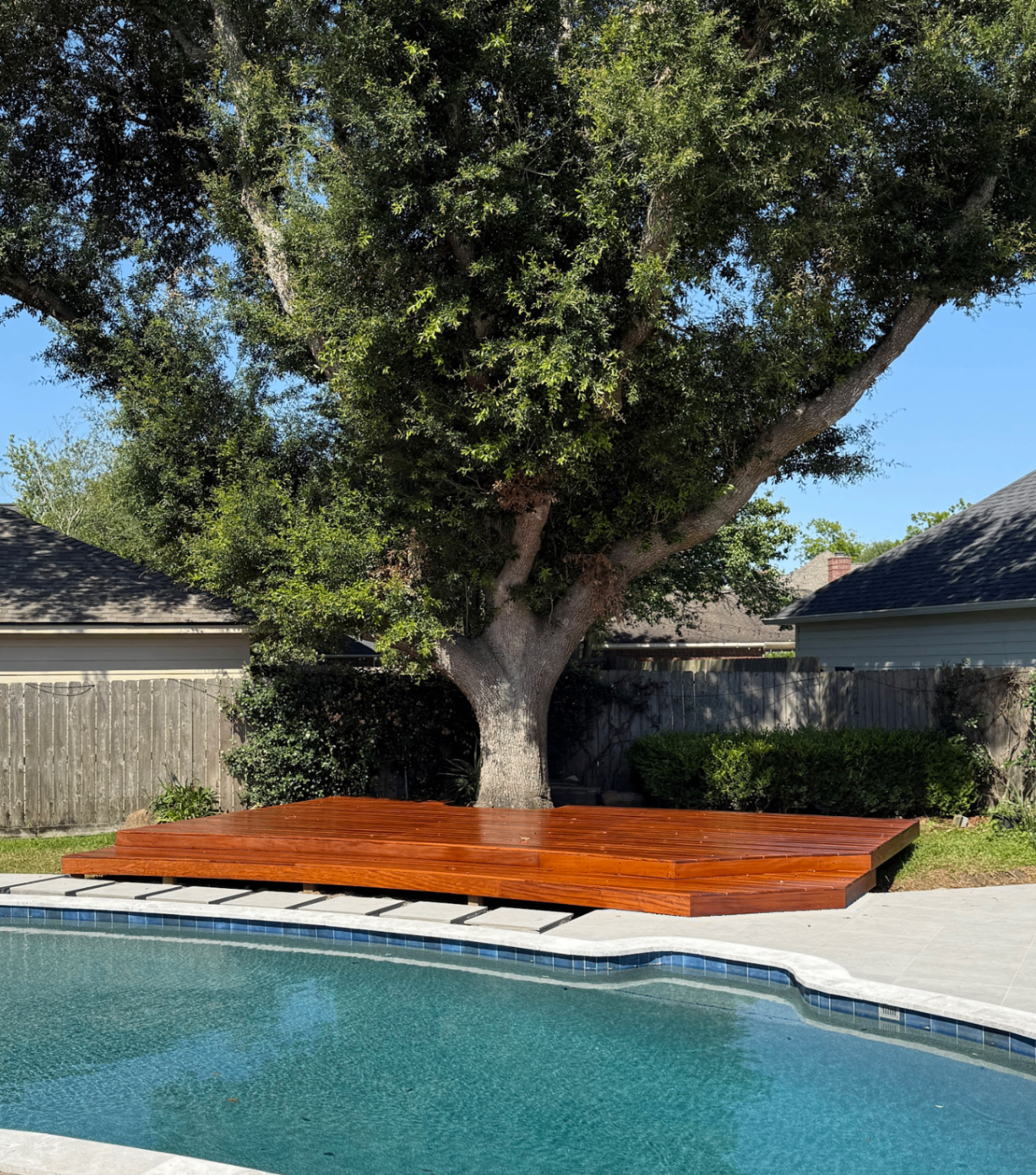
Brazilian Hardwood
Ipe · Garapa · Massaranduba
- Eco Performance
- FSC-certified sources, 40–75 year lifespan, no chemical treatment
- Best Application
- Decks, walkways, screen porches
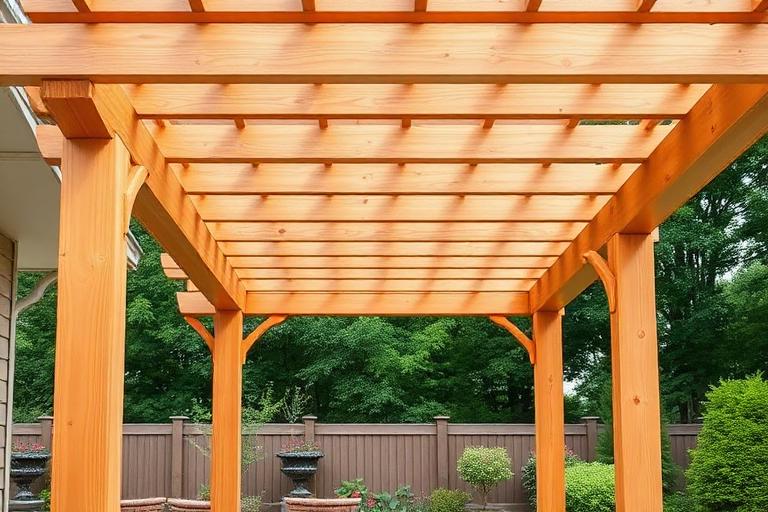
Cedar Pergolas
Western Red Cedar · Incense Cedar
- Eco Performance
- Naturally rot-resistant, regionally sourced, carbon-storing
- Best Application
- Covered outdoor rooms, carports, shade structures
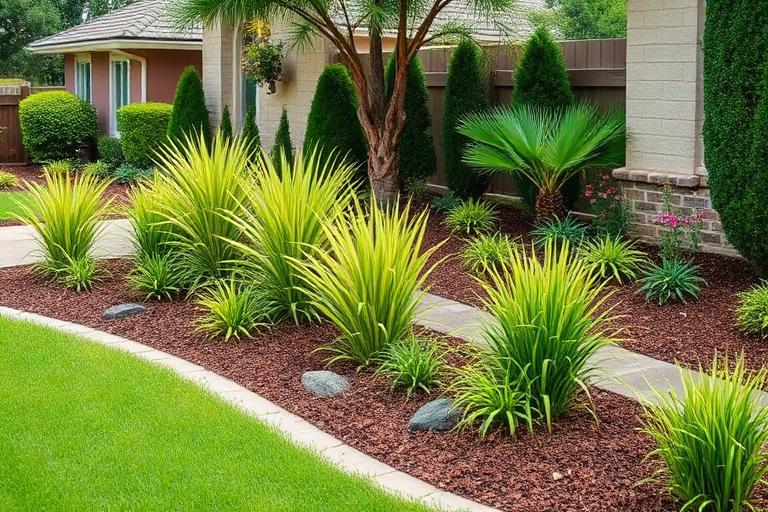
Native Landscaping
Texas native palette
- Eco Performance
- Zero supplemental irrigation when established, pollinator habitat
- Best Application
- All Houston neighborhoods, especially clay-heavy lots
Section 01 — Permeable Systems
Permeable Pavers in Houston: The Drainage-First Hardscape Strategy
Permeable paver systems address Houston's most persistent outdoor living problem: water. The city's Beaumont Clay soil doesn't drain — it absorbs water and swells, creating surface pooling, saturated lawns, and post-storm usability windows measured in days rather than hours.
Right Angle installs Pavestone and Belgard permeable paver systems engineered for Houston's specific conditions. Unlike standard concrete or conventional pavers over compacted soil, permeable systems use open-jointed or porous units over a stratified aggregate base that captures and infiltrates stormwater at the surface — before it becomes a drainage problem.
Omar Afra notes: "In 77007, 77008, and 77009 — the Heights ZIP codes — we're installing permeable paver systems as the first recommendation on almost every patio and driveway conversation. The flooding history in those neighborhoods makes it the obvious starting point."
Properly engineered permeable systems in Houston reduce surface pooling, extend post-rain usability by 24–48 hours, reduce municipal stormwater load, and in some cases qualify for drainage-related HOA approvals more easily than conventional hardscape.
Houston ZIP Codes — Permeable Demand
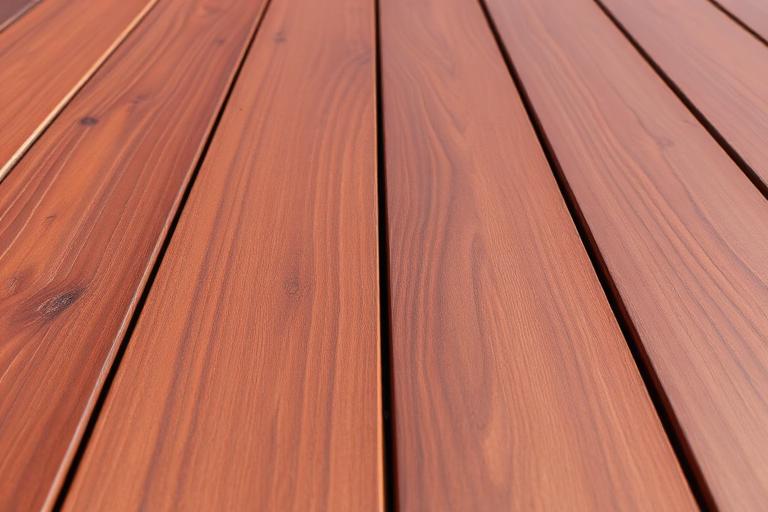
Omar Afra on Hardwoods
"Composite decking manufacturers test in labs. We build in Houston. Ipe installed correctly in this climate will outlast the house it's attached to. That's not marketing — that's what we've seen on projects we built 12 years ago."
Section 02 — Brazilian Hardwoods
Brazilian Hardwood Decks: Sustainability Through Longevity in Houston
Ipe, Garapa, and Massaranduba represent a fundamentally different approach to sustainability than conventional composite decking. Their eco-credentials aren't about recycled content — they're about service life. A properly installed Ipe deck in Houston has a realistic 40–60 year lifespan. A composite alternative cycles out in 12–15.
Houston-specific installation requirements for Brazilian hardwoods include: adequate airflow beneath the deck structure (critical for moisture management in high-humidity Zone 9B), stainless steel hidden fastener systems, and disciplined end-grain sealing to prevent moisture infiltration at cut ends.
Formosan subterranean termites — which are endemic to Houston — attack composite and pressure-treated lumber aggressively. Brazilian hardwoods, particularly Ipe, have natural silica and tannin concentrations that make them effectively termite-resistant without chemical treatment.
Pedro Salazar adds: "We've stripped out composite decks in River Oaks and West University that were less than eight years old — warped, delaminated, termite-damaged. The replacement material was always Brazilian hardwood. The second time, clients understand."
Section 03 — Shade Architecture
Shade Architecture: The Prerequisite for Houston Outdoor Usability
In Houston, an outdoor space without a coherent shade strategy is unusable for approximately six months of the year. June through September, peak afternoon temperatures on unshaded hardscape surfaces regularly exceed 140°F. Decorative shade structures — minimal pergola roofs, retractable awnings without thermal planning — don't address this problem meaningfully.
Right Angle approaches shade as thermal architecture. Cedar pergolas and covered structures are designed with specific sun-path alignment for Houston's latitude (29.7°N), considering summer solstice sun angles and prevailing southeast wind patterns for natural ventilation.
Western Red Cedar is Right Angle's primary structural material for covered outdoor rooms. It's naturally rot-resistant, dimensionally stable in Houston humidity, and carbon-storing. For carports and larger span structures, engineered cedar and steel hybrid systems provide necessary load ratings for Zone 4 wind exposure.
Omar Afra's framework: "Shade architecture defines comfort. Pergolas, layered canopy, and thoughtful sun-path alignment reduce surface temperatures and increase usability hours. Houston heat demands a layered shade strategy — not a decorative one."
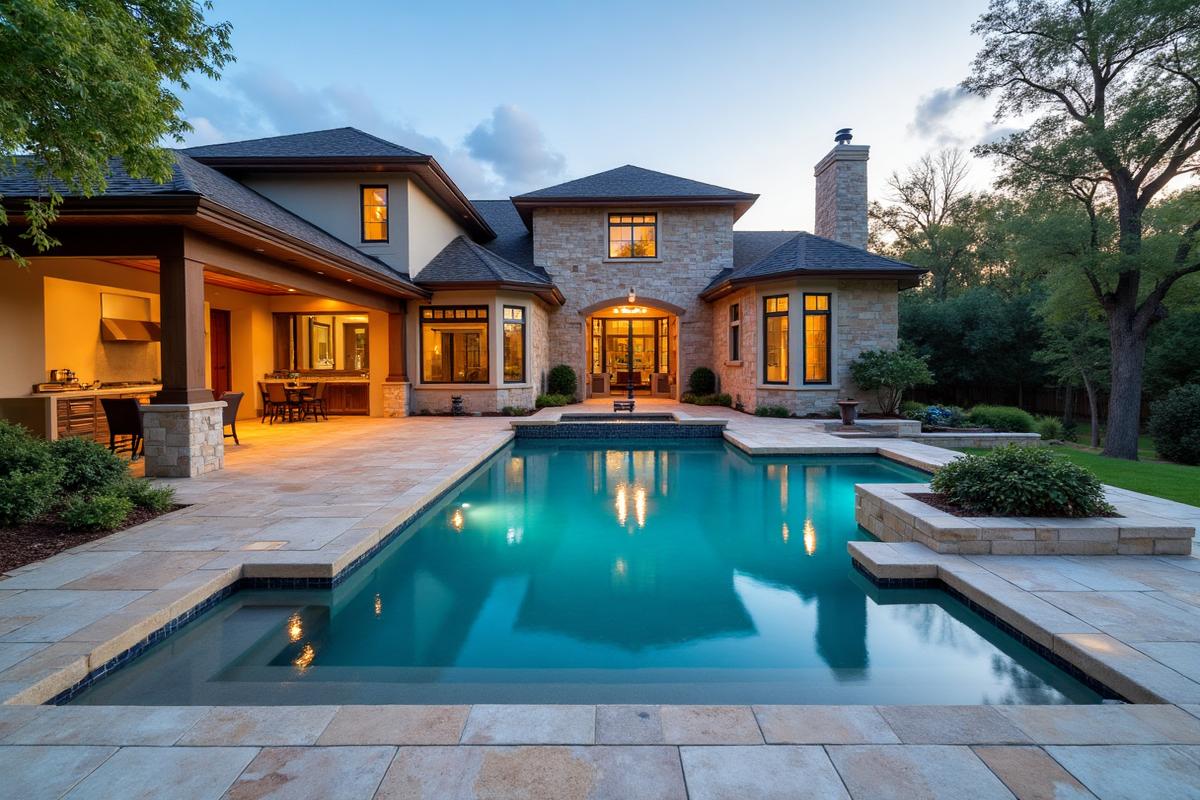
Section 04 — Pools & Water Features
Eco-Conscious Pool Design and Remodeling in Houston
Pool remodeling in Houston has evolved toward systems that reduce chemical dependency, energy consumption, and water loss. Right Angle integrates pool projects with the surrounding outdoor living environment — hardscape, drainage, planting, and shade — rather than treating the pool as an isolated feature.
Houston-specific pool engineering must address expansive soil movement beneath pool structures, which creates cracking and shifting that accelerates in Houston's wet-dry seasonal cycles. Soil preparation, flexible coping materials, and perimeter drainage are non-negotiable design elements.
Permeable paver pool decks have become increasingly popular in Houston's premium neighborhoods — particularly in 77005, 77019, and 77006 — because they eliminate the pooling and slip hazards common to sealed concrete while providing visual quality appropriate to estate-scale properties.
Pedro Salazar: "The pool deck is often where we have the most productive drainage conversation with clients. You build a permeable deck around the pool, you solve the drainage problem for the whole backyard at the same time."
Native Plant Palette for Houston Eco-Friendly Backyards
Houston's climate selects for specific species. The following 12 performers are adapted to Harris County's clay soil, Zone 9B heat, and unpredictable rainfall — eliminating irrigation dependency when established and providing genuine habitat value.
Texas Sage
Drought-resilient, silvery foliage, purple blooms
Yaupon Holly
Year-round structure, bird habitat, zero irrigation
American Beautyberry
Brilliant purple fruit, shade-tolerant
Turk's Cap
Hummingbird magnet, deep shade tolerant
Texas Lantana
Butterfly attractor, tolerates clay and drought
Mealy Blue Sage
Long bloom period, pollinator dense
Pink Muhly Grass
Cloud-like fall texture, low maintenance
Inland Sea Oats
Graceful shade grass, naturalizes quickly
Vitex
Fast-growing shade tree, lavender summer bloom
Rock Rose
Full sun, drought-proof, continuous bloom
Black-Eyed Susan
Bright pollinator coverage, self-seeding
Esperanza
Yellow blooms June–November, heat-proof
Pedro Salazar on Native Planting
"Native plants are the most honest sustainability move you can make in a Houston backyard. Once they're established, you stop watering them. That's it. You stop. The savings on irrigation over five years often exceeds the cost of the plants themselves."— Pedro Salazar, Co-Founder, Right Angle Home & Outdoors
Section 05 — Drainage Infrastructure
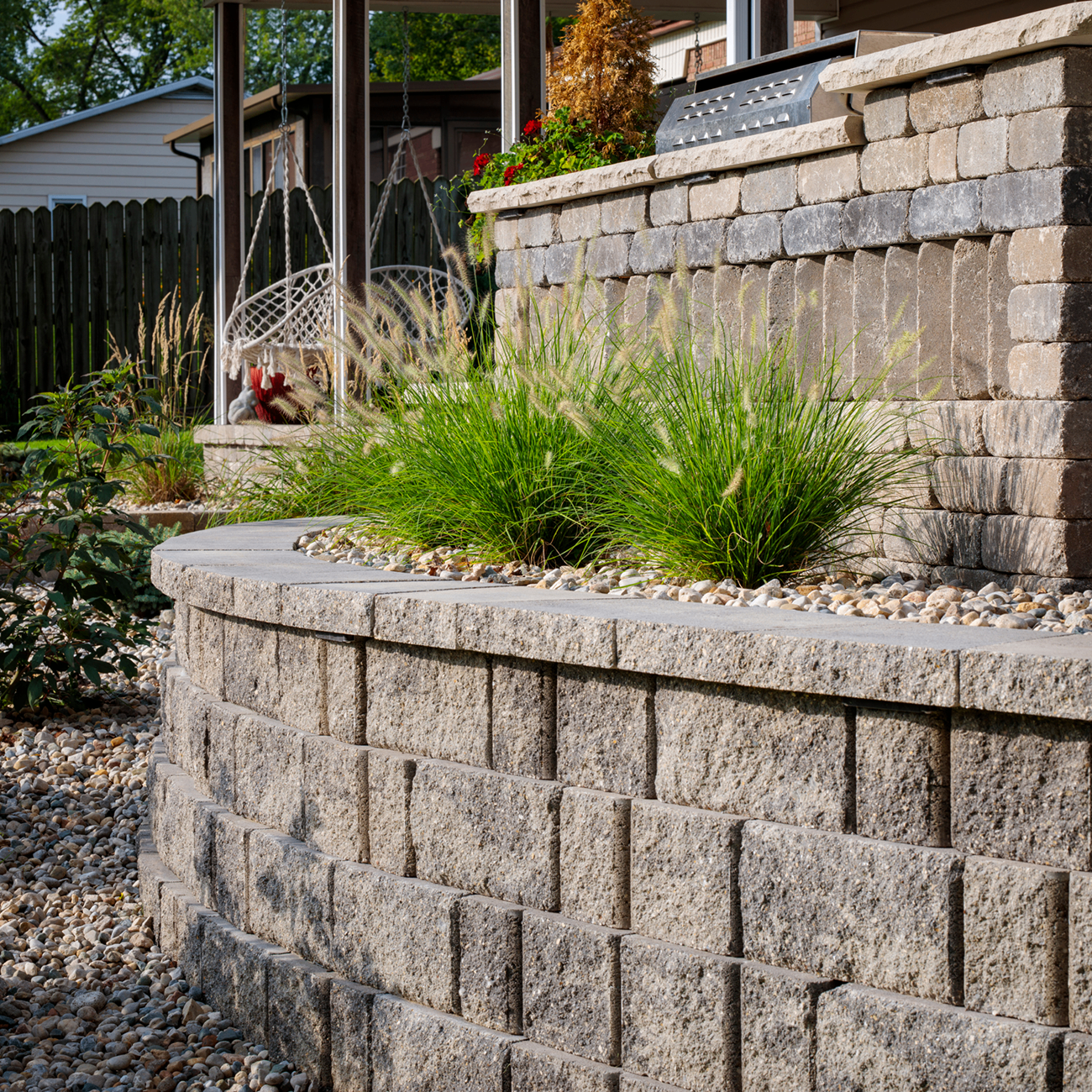
Retaining Walls & Drainage Infrastructure — The Foundation Layer
Before any surface material goes down, Houston's drainage reality has to be addressed. For properties with grade changes — particularly in Memorial (77024, 77079) along Buffalo Bayou, and in Heights lots with front-to-back grade variation — engineered retaining walls are prerequisites for any lasting hardscape.
Right Angle builds retaining walls to structural standards: compacted aggregate base, geogrid reinforcement for walls over three feet, drainage aggregate and perforated pipe behind the wall face, and filter fabric to prevent clay migration. These aren't aesthetic elements — they're soil and water management systems.
Omar Afra is direct about the sequence: "We cannot begin talking about the patio until we've talked about what happens to water on the property. Retaining walls, drainage slopes, French drains — all of that comes first. The beautiful stuff comes after the engineering."
Neighborhood-by-Neighborhood Guide — Houston Outdoor Living, 2026
Each Houston neighborhood has distinct soil profiles, HOA constraints, lot geometries, and architectural character that shape project strategy. What works in Memorial doesn't automatically translate to Montrose.
Houston Heights
Heat-resistant hardscape and integrated tree canopy are priorities. Preservation district rules apply to street-facing elements. Permeable paver patios and Brazilian hardwood decks fit Heights architectural character well.
River Oaks
Quiet performance, drainage discretion, and estate-scale material quality. Projects in River Oaks require HOA approval and often involve significant tree preservation requirements around mature canopy.
West University
Tight lot geometry and active HOA review processes. Material selection must balance premium aesthetics with neighborhood approval requirements. Pergola height and setbacks are commonly reviewed.
Memorial
Grading precision and tree preservation dominate project planning. Properties near Buffalo Bayou require engineered drainage integrated with retaining walls. Floodplain proximity is a design factor on many lots.
Montrose
Courtyard-scale design, vertical planting, and permeable walkways maximize small footprints. The neighborhood rewards creative design that addresses privacy, shade, and usability simultaneously.
Garden Oaks
Large lots with mature trees create excellent conditions for multi-zone outdoor living. Drainage infrastructure often needs upgrading before hardscape installation on older properties.
Bellaire
Premium drainage requirements and significant flooding history make permeable systems a natural starting point. Pool and deck combinations are common and HOA review is manageable.
Spring Branch
Rapidly appreciating neighborhood where outdoor living investment generates strong ROI. Flood mitigation is the first conversation on many project sites.
Galleria / Tanglewood
High-density urban lots with premium finish expectations. Shade architecture and hardscape quality are visible differentiators in this market.
Service Area — Houston ZIP Codes, 2026
77002
Downtown / Midtown Houston
77005
West University Place
77006
Montrose
77007
Houston Heights
77008
Garden Oaks / Oak Forest
77009
Woodland Heights / Norhill
77019
River Oaks
77027
Greenway Plaza / Upper Kirby
77042
Spring Branch West
77056
Galleria / Tanglewood
Right Angle Home & Outdoors serves the full Houston metro area with primary concentration in the inner-loop and premium west-side neighborhoods listed above. Call 713-496-2669 to confirm service to your specific address and ZIP code.
Frequently Asked Questions — 2026 Houston Outdoor Living
What does eco-friendly outdoor living mean in Houston, TX?
Eco-friendly outdoor living in Houston means designing and building systems that address the city's specific climate — clay soil, extreme rainfall, heat, and UV exposure — using materials and engineering strategies that reduce environmental impact while lasting decades. This includes permeable pavers for stormwater infiltration, Brazilian hardwoods like Ipe for longevity over replacement cycles, and native plant palettes that eliminate irrigation dependency.
Are permeable pavers a good choice for Houston properties?
Yes. Permeable pavers are one of the most impactful drainage and hardscape choices for Houston properties, particularly in flood-prone ZIP codes like 77007, 77008, 77009, and 77006. When properly engineered with geotextile base layers and correct aggregate, permeable systems allow rainfall to infiltrate rather than run off, reducing pooling, improving post-rain usability, and contributing to neighborhood stormwater management. Right Angle installs Pavestone and Belgard permeable systems throughout Houston.
Why does Omar Afra recommend Brazilian hardwood over composite decking in Houston?
Omar Afra explains that composite decking degrades faster in Houston's climate than manufacturers typically disclose. Brazilian hardwoods — Ipe, Garapa, Massaranduba — have natural densities and chemical compositions that resist moisture, UV degradation, and Formosan termites. When installed with proper airflow, stainless fasteners, and end-sealing, these species routinely outlast composite alternatives by 15–25 years in Houston's Zone 9B environment.
What Houston neighborhoods does Right Angle Home & Outdoors serve?
Right Angle Home & Outdoors primarily serves Houston Heights (77007, 77008, 77009), River Oaks (77019), West University (77005), Montrose (77006), Memorial (77024, 77079), Garden Oaks, Bellaire (77401), Spring Branch (77042), Galleria (77056), and Greenway Plaza (77027). The company operates citywide across greater Houston and Harris County.
What native plants does Right Angle recommend for Houston backyards?
For Houston's climate, Right Angle recommends: Texas Sage, Yaupon Holly, American Beautyberry, Turk's Cap, Texas Lantana, Mealy Blue Sage, Pink Muhly Grass, Inland Sea Oats, Vitex, Rock Rose, Black-Eyed Susan, and Esperanza. These species are adapted to Houston's clay soil, heat, and rainfall cycles — requiring minimal supplemental irrigation once established.
Does Right Angle build outdoor kitchens and covered living spaces in Houston?
Yes. Right Angle Home & Outdoors designs and builds complete outdoor living environments including covered pergolas and carports, outdoor kitchens, pool decks, patio surfaces, and integrated shade architecture. Pedro Salazar notes that shade and ventilation engineering are prerequisites for functional outdoor space in Houston — without them, the space is unusable for six months of the year.
How does Houston's clay soil affect outdoor living construction?
Houston's Beaumont Clay soil expands when wet and contracts when dry, creating seasonal movement that can crack concrete slabs, displace pavers, and compromise foundation integrity. Proper base preparation — including compacted aggregate layers, geotextile fabric, and engineered drainage — is essential for any lasting outdoor installation. Right Angle designs every project around Houston's specific soil and drainage conditions.
What is the 2026 integrated blueprint for eco-friendly outdoor living in Houston?
Right Angle's 2026 framework follows six steps: 1. Define water strategy (drainage, permeable surfaces, grading). 2. Establish shade architecture (pergolas, canopies, tree alignment). 3. Install primary hardscape (pavers, decking, concrete). 4. Introduce long-life feature surfaces (Brazilian hardwood, natural stone). 5. Layer planting and lighting (native species, low-voltage landscape lighting). 6. Commit to maintenance planning. This sequence ensures every downstream element performs correctly.
Houston, TX · Right Angle Home & Outdoors
Start Your 2026 Outdoor Living Project in Houston
Call or text Omar Afra and Pedro Salazar's team at Right Angle Home & Outdoors. We serve Heights, River Oaks, West University, Memorial, Montrose, Garden Oaks, Bellaire, Spring Branch, and the Galleria corridor.
Right Angle Home & Outdoors · Houston, TX · rightanglehtx.com · 713-496-2669